
How to Plan Your Nashik to Harihar Fort Travel Guide
Harihar Fort is one of the most distinctive hill forts in Maharashtra’s Sahyadri mountain range. Its dramatic rock-cut staircase, historic stone architecture and panoramic mountain views make it an exciting destination for people who enjoy outdoor adventures and exploring Maharashtra’s heritage.
Located in the Trimbakeshwar region of Nashik district, Harihar Fort attracts trekkers from Nashik, Mumbai, Pune and other parts of Maharashtra. However, visiting this fort requires more preparation than an ordinary sightseeing trip. The road journey, selection of the trekking starting point, weather conditions and physical preparation all play an important role in planning a comfortable visit.
If you are planning a Nashik to Harihar Fort travel guide for your next adventure, this article explains how to plan the road journey, understand the available trekking routes, prepare for the climb and make sensible decisions before starting.
1. Where Is Harihar Fort Located?
Harihar Fort, also known as Harshagad, is situated in the Trimbakeshwar mountain region of Nashik district, Maharashtra.
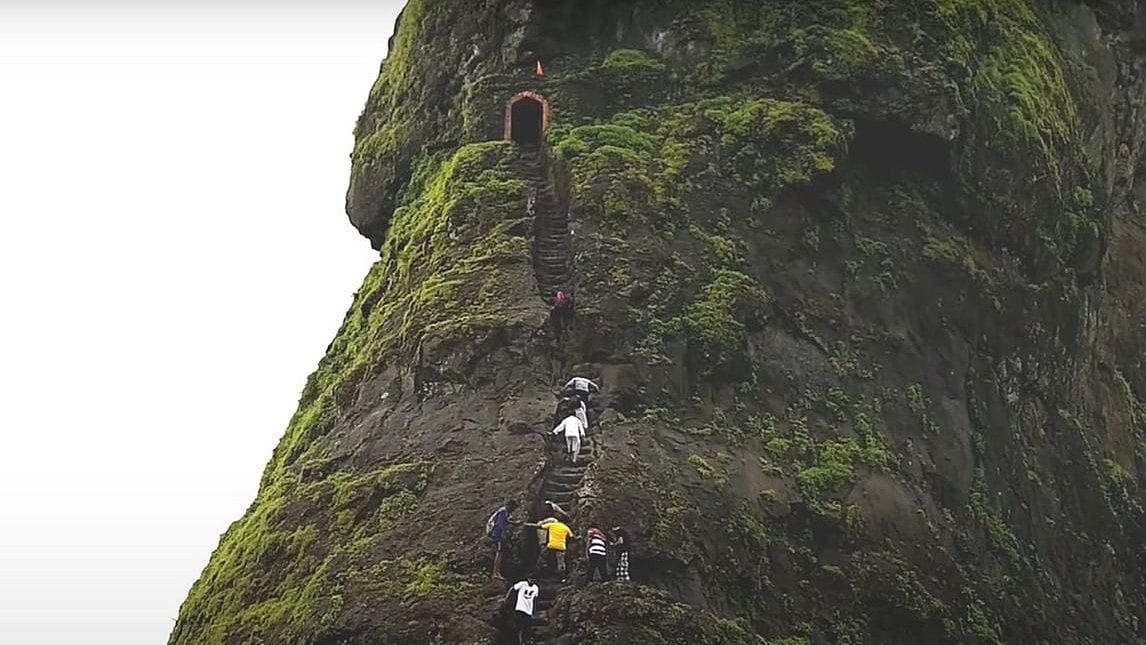
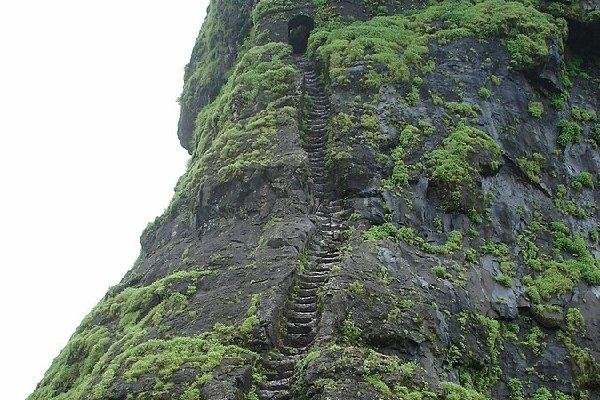
The fort is particularly famous for its steep staircase carved directly into the rock face. Unlike many forts where visitors follow a conventional hillside trail, the final section of Harihar Fort involves climbing a narrow and exposed rock-cut staircase.
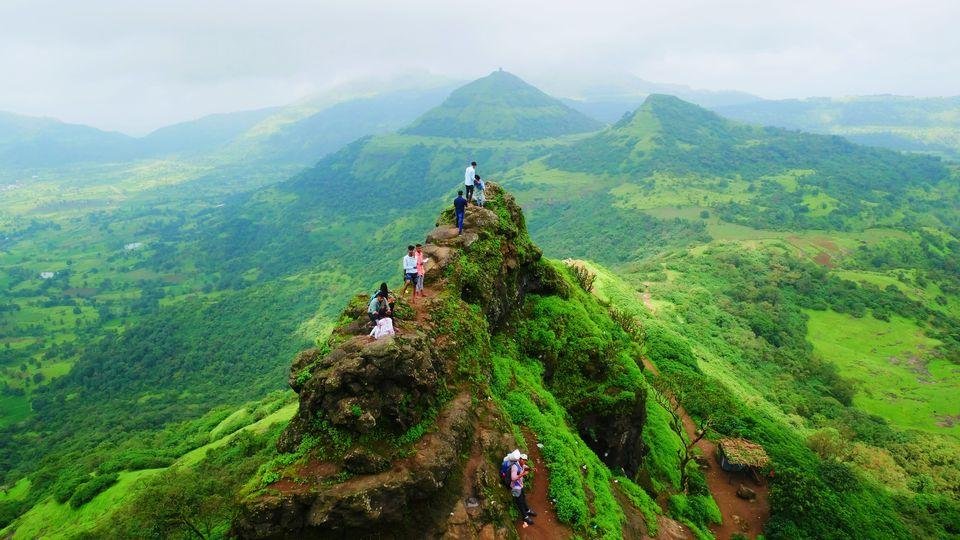
The surrounding Sahyadri landscape offers impressive views of hills, valleys and neighbouring mountain formations.
Harihar Fort is an excellent destination for people interested in:
Historical forts and architecture
Sahyadri mountain landscapes
Outdoor adventures and trekking
Photography and nature exploration
Exploring lesser-known places around Nashik
It is important to understand that the fort is not simply a roadside tourist attraction. Visitors must complete a physical trek to reach the main fort area.
2. How to Reach Harihar Fort from Nashik?
Travellers starting from Nashik generally approach the Harihar Fort region through the Trimbakeshwar side.
The journey involves travelling from Nashik towards Trimbakeshwar and continuing towards one of the trekking base villages.
There are two commonly used starting points:
Harshewadi
Nirgudpada (Kotamwadi)
Your choice depends on your preferred trekking route, road conditions, local access and travel arrangements.
For travellers who are also planning a separate temple visit, the Nashik to Trimbakeshwar cab service is a useful reference for understanding transportation arrangements in this region. The Harihar Fort trek, however, requires a separate route and time plan.
Route 1: Nashik to Harshewadi
Harshewadi is an alternative trekking starting point for Harihar Fort.
Travellers coming from Nashik can generally travel towards Trimbakeshwar and continue towards Harshewadi.
This approach is often considered by trekkers travelling from the Nashik side because of its location in relation to Trimbakeshwar.
Before leaving, check the exact road approach and parking arrangements with someone familiar with the area.
Route 2: Nashik to Nirgudpada
Nirgudpada, also associated with Kotamwadi, is another commonly used starting point.
The trekking trail passes through open fields and natural terrain before reaching the plateau below the famous rock-cut staircase.
The two approaches eventually connect near the plateau before the final climb.
If you are travelling by private vehicle, confirm the exact trailhead rather than navigating only to the general village location.
3. Harshewadi vs Nirgudpada: Which Starting Point Should You Choose?
Both villages provide access to Harihar Fort, but the trekking experience differs.
| Travel consideration | Harshewadi | Nirgudpada |
|---|---|---|
| Starting point | Harshewadi village | Nirgudpada / Kotamwadi |
| Route character | Alternative approach through village and hillside terrain | Approach through fields, forest sections and hillside terrain |
| Trail experience | Village and hillside trail | Fields, forest sections and ridge |
| Connection | Joins the common plateau route | Joins the common plateau route |
| Suitable planning | Check local trail conditions | Check local trail conditions |
There is no need to choose a route simply because someone describes it as easier. Your physical fitness, weather, experience and comfort with exposed sections should determine your decision.
Both approaches lead to the same challenging rock-cut staircase.
For a more detailed understanding of the two base villages and the trekking sections, refer to the Harihar Fort trek guide by Indiahikes.
4. Understanding the Famous Harihar Fort Rock-Cut Steps
The most recognisable feature of Harihar Fort is its steep staircase carved into the mountain.
These steps are responsible for much of the fort’s popularity among adventure enthusiasts.
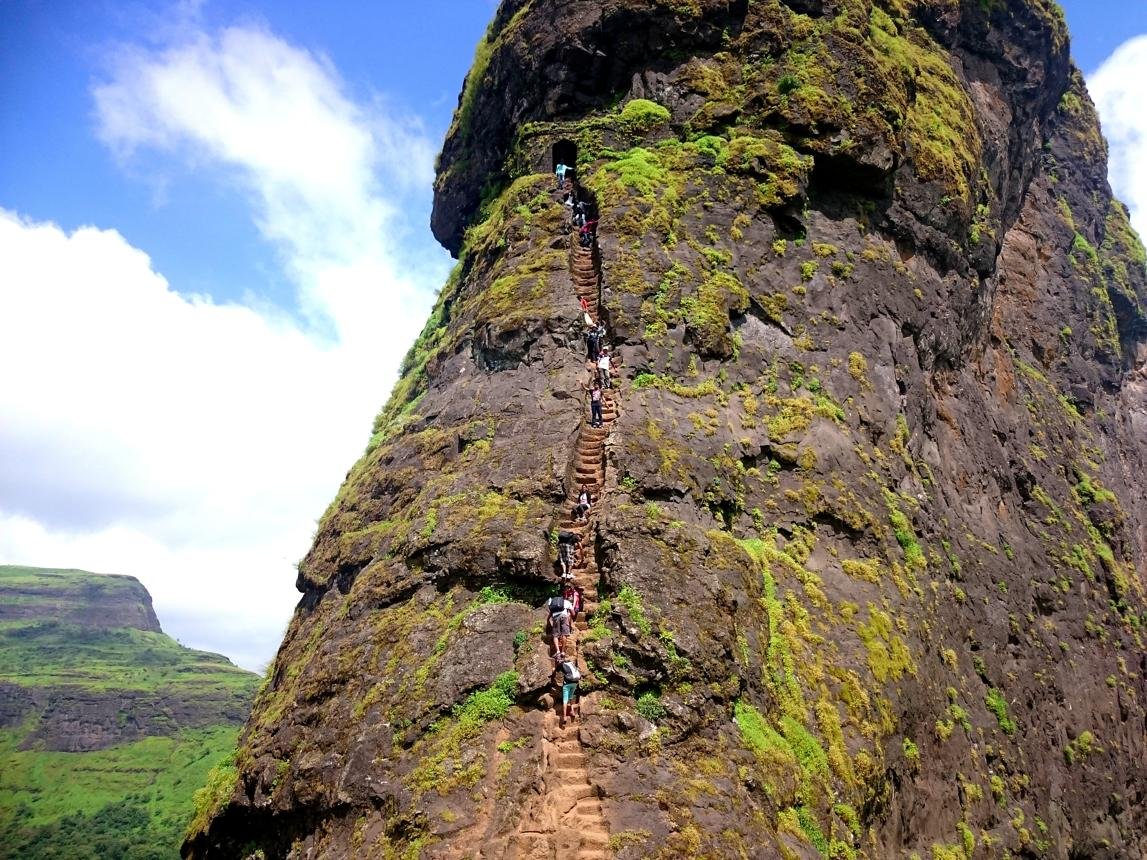
The staircase is narrow and exposed in certain sections. Small footholds and handholds carved into the rock help trekkers climb, but they do not remove the risks associated with the steep terrain.
A few important things to remember:
Maintain a firm grip while climbing.
Avoid rushing when other trekkers are ahead.
Keep sufficient distance between people on narrow sections.
Do not attempt difficult sections if you feel uncomfortable with heights.
Follow local instructions and turn back if conditions become unsafe.
The descent also requires considerable attention. Do not assume that climbing up successfully means the return journey will be easy.
5. Is Harihar Fort Suitable for Beginners?
Harihar Fort should not automatically be considered a beginner-friendly trek.
The initial walking sections may appear manageable, but the final rock-cut staircase requires confidence, balance and careful movement.
Before planning the trek, consider the following:
Physical fitness: You should be comfortable with sustained uphill walking and uneven terrain.
Fear of heights: The exposed staircase can be intimidating, particularly for people uncomfortable with steep drops.
Previous experience: Some trekking experience is helpful before attempting a route with exposed rock sections.
Weather: Wet rock can become slippery and significantly increase the difficulty.
If this is your first trek, consider starting with a less exposed trekking destination before attempting Harihar Fort. A qualified local trek leader can also help you understand the route and current conditions.
6. Best Time to Visit Harihar Fort
Weather conditions can make a considerable difference to the Harihar Fort experience.
October to February
This period is generally preferred for trekking because the weather is comparatively comfortable and the rock surface is more likely to be dry.
Clearer conditions can also provide better mountain views.
March to May
Temperatures can rise during the daytime. An early start, sufficient drinking water and protection from direct sunlight become especially important.
Avoid attempting the exposed climb during excessive heat.
June to September
The monsoon transforms the surrounding hills into a green landscape. However, the same weather can make the rock-cut staircase slippery.
Heavy rain, mist, strong winds and poor visibility can create dangerous conditions.
Do not attempt the exposed staircase during heavy rainfall or when local authorities or experienced guides advise against it.
For seasonal planning, the Maharashtra Tourism Harihar Fort guide also highlights the importance of sure footing on the rock-cut staircase and recommends avoiding the steps in rain because wet rock can become dangerously slippery.

7. What Should You Carry for the Harihar Fort Trek?
A little preparation can make the trekking experience more comfortable.
Here is a practical packing checklist:
| Essential item | Why it matters |
|---|---|
| Trekking shoes with good grip | Helps on uneven and rocky surfaces |
| Drinking water | Supports hydration during the climb |
| Light snacks | Provides energy during the trek |
| Small backpack | Keeps essential items organised |
| Cap and sunscreen | Helps protect against sunlight |
| Rain protection | Useful when weather conditions change |
| Basic first-aid supplies | Helps manage minor problems |
| Fully charged mobile phone | Useful for communication |
| Personal medicines | Important for individual requirements |
Avoid carrying unnecessary luggage. A heavy backpack can make the climb and descent more difficult.
Do not depend entirely on shops or food availability at the starting village. Carry the essentials you need for the trek.
8. Important Safety Tips Before Starting the Trek
The rock-cut staircase deserves special attention.
Keep these safety practices in mind:
Check the weather forecast before leaving Nashik.
Start early enough to complete the trek in daylight.
Wear suitable trekking footwear.
Avoid climbing during heavy rain.
Maintain three points of contact where the rock section requires it.
Never push or rush other trekkers on narrow steps.
Avoid taking photographs while moving through exposed sections.
Do not climb beyond your physical comfort level.
Follow local instructions and any access restrictions.
Keep sufficient time for the return journey.
If weather conditions deteriorate, postponing the trek is a better decision than taking unnecessary risks.
9. How to Plan a One-Day Nashik to Harihar Fort Trip
A one-day trip can be planned, but the schedule should remain flexible.
A practical planning sequence is:
Early morning – Depart from Nashik
Leave early enough to reach your selected base village with sufficient time for preparation.
Morning – Reach the trekking starting point
Park your vehicle at an appropriate permitted location, organise your belongings and confirm local trail conditions.
Morning to afternoon – Complete the trek
Follow the selected route at a comfortable pace. Allow enough time for breaks and the challenging staircase.
Afternoon – Begin the return
Do not delay the descent simply to spend more time at the summit. Keep daylight and weather conditions in mind.
Evening – Return towards Nashik
After completing the trek, take a suitable rest break before beginning the road journey back.
This is a planning framework rather than a guaranteed timetable. Actual timings depend on the selected route, group fitness, weather, crowd levels and road conditions.
10. Should You Travel by Private Cab or Your Own Vehicle?
Your transportation choice depends on the number of travellers, your starting location and your return arrangements.
Travelling by your own vehicle
A personal car or motorcycle can provide flexibility in deciding departure time and managing the road journey.
However, the driver should also be physically prepared for the trek. Driving after a demanding climb can cause fatigue, so allow sufficient rest before returning.
Travelling by private cab
A private cab can be a practical option for groups travelling from Nashik who prefer not to drive themselves.
It allows the passengers to concentrate on their trekking preparation while arranging transportation to the selected base village.
Before confirming a vehicle, discuss:
Pickup and drop locations
Selected trekking starting point
Travel date and expected return time
Passenger count
Luggage requirements
Waiting time and applicable charges
Parking and local access arrangements
Travellers comparing transportation options can also refer to Taxi Service in Nashik to understand the available cab arrangements.
Budget Cab Services – Nashik can help travellers enquire about transportation arrangements from Nashik for a planned Harihar Fort visit.
The vehicle arrangement should be confirmed in advance, especially when the trip involves a long waiting period while passengers complete the trek.
11. Other Places to Explore Around the Trimbakeshwar Region
If you are exploring the Nashik district over a longer trip, there are several other destinations worth researching.
Trimbakeshwar
Trimbakeshwar is an important pilgrimage destination known for its Jyotirlinga temple. It offers a different travel experience from the adventure-focused Harihar Fort trek.
Anjaneri Hills
Anjaneri is another well-known trekking destination in the Nashik region. It is associated with the religious and historical traditions of the area.
Igatpuri
Igatpuri is known for its scenic Western Ghats landscape, viewpoints, forts and natural surroundings. If you are planning a separate outing to this region, our Nashik to Igatpuri Cab travel guide can help you explore transportation and sightseeing planning.
These destinations should not automatically be combined into one day with Harihar Fort. Each requires its own travel and time planning.

12. Common Mistakes to Avoid When Planning a Harihar Fort Trip
A well-planned trek is not just about reaching the summit. Avoiding common mistakes can make the entire journey safer and more enjoyable.
Starting too late: A delayed departure can leave insufficient daylight for the climb and descent.
Ignoring the weather: A beautiful-looking mountain can become dangerous during heavy rain or poor visibility.
Wearing unsuitable footwear: Regular casual shoes or slippery footwear may not provide adequate grip.
Carrying too much luggage: Unnecessary weight increases fatigue.
Underestimating the staircase: The final climb is more demanding than an ordinary walking trail.
Planning too many destinations: Trying to include several sightseeing locations in one day can make the schedule unnecessarily stressful.
Ignoring the return journey: Always plan how you will travel back after completing the trek.
13. Frequently Asked Questions About Nashik to Harihar Fort Travel
How can I reach Harihar Fort from Nashik?
Travel towards Trimbakeshwar and continue towards either Harshewadi or Nirgudpada, depending on your selected trekking route. Check the exact trailhead before departure.
What are the two starting points for Harihar Fort?
The two commonly used trekking starting points are Harshewadi and Nirgudpada (Kotamwadi).
Is Harihar Fort difficult to climb?
The trek includes a steep and exposed rock-cut staircase. It requires physical preparation, balance and comfort with heights.
Is Harihar Fort safe during the monsoon?
Monsoon conditions can make the rock-cut staircase slippery. Avoid climbing during heavy rain or unsafe conditions and follow local advice.
Can Harihar Fort be visited in one day from Nashik?
Yes, a one-day plan can be considered, provided you leave early, select your route carefully and allow sufficient time for the trek and return road journey.
What should I wear for the Harihar Fort trek?
Wear comfortable trekking clothes and shoes with good grip. Carry weather-appropriate protection and avoid footwear that may slip on rocky surfaces.
Can I book a cab from Nashik to Harihar Fort?
Travellers can enquire about private cab transportation from Nashik to the selected trekking base village. Confirm pickup, drop, waiting arrangements and applicable charges before booking.
Conclusion
Harihar Fort offers a memorable combination of Maharashtra’s historical heritage, challenging trekking terrain and beautiful Sahyadri scenery.
The key to enjoying the experience is proper preparation. Choose your starting point carefully, check the weather, carry essential equipment and respect the difficulty of the rock-cut staircase.
Whether you are travelling from Nashik for a weekend adventure or including Harihar Fort in a longer exploration of the Trimbakeshwar region, a sensible travel plan can make the journey more comfortable.
For travellers who prefer organised road transportation, Budget Cab Services – Nashik can assist with cab enquiries for journeys from Nashik to the selected Harihar Fort trekking base, subject to availability and confirmed travel arrangements.
Plan responsibly, respect the mountains and enjoy the journey.
One Response